Approach
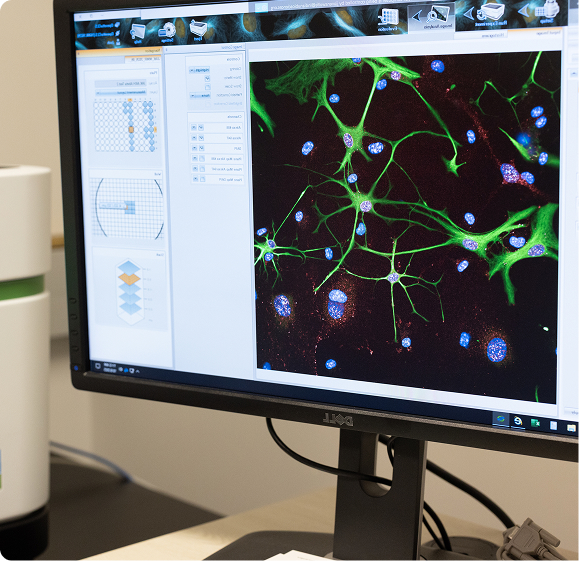
IBRI’s pediatric rare disease research combines specialized technological capabilities with strong research partnerships. Research on pediatric sarcomas is supported by our collaborations with leading pediatric oncology centers, including the Princess Máxima Center, the Children’s Cancer Therapy Development Institute, and the Grasshopper Consortium. Leveraging our iPSC platform, we are able to generate patient-derived cell models to study the molecular drivers of rare diseases and test potential new therapies.
Complementing this work, IBRI applies bioinformatics and structural biology to map disease pathways, and kinome profiling to identify dysregulated signaling networks. Together, these technologies enable a systematic research progression from disease pathology to the discovery of potential new therapies.