






Convening leaders across segments to explore how their combined strengths accelerate translational medicine and drug development—from discovery to patients.
Registration for the IBRI Global Forum is now closed. Questions? Email us at communications@indianabiosciences.org.
Thursday, October 29, 2026
8:00 am – 10:00 am
Eiteljorg Museum
Indianapolis, Indiana
Designed as a catalyst for collaboration, the inaugural IBRI Global Forum centers on one of the most complex challenges in life sciences: how to more effectively turn breakthrough research into therapies that improve health outcomes worldwide.
Through a keynote address and panel discussion, world-renowned experts will explore how aligned funding, rigorous science, and strategic investment can shorten timelines, de-risk innovation, and scale impact.
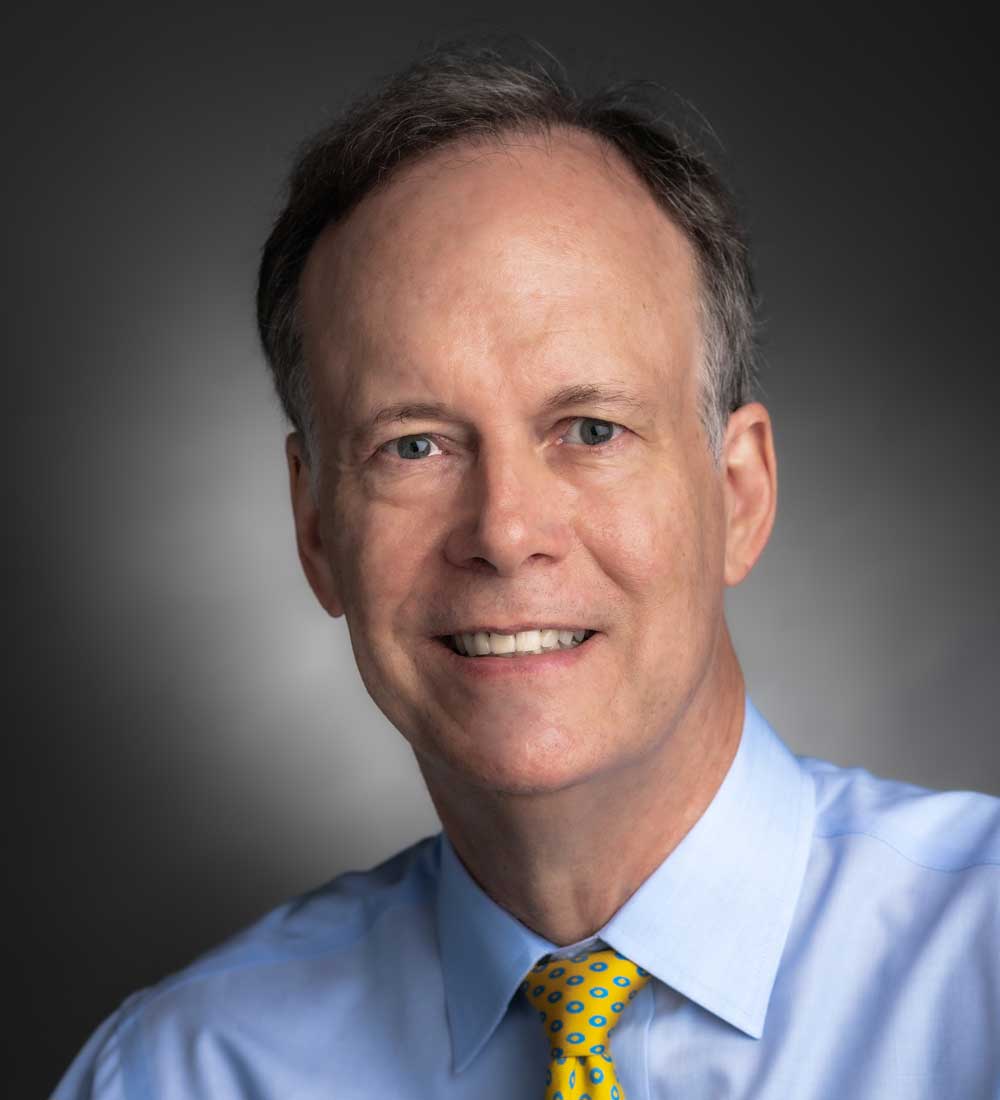
Nobel Laureate in Physiology or Medicine (2019)
Harvard Medical School
Dana-Farber Cancer Institute
Dr. Kaelin is a leading physician-scientist at Harvard Medical School and Dana-Farber Cancer Institute and a recipient of the 2019 Nobel Prize in Physiology or Medicine. His research seeks to understand how mutations in tumor-suppressor genes cause cancer. His work has led to fundamental insights into how cells sense and respond to changes in oxygen, helping lay the foundation for the development of new therapies for cancer and other diseases.
Following the keynote, Dr. Kaelin will join a moderated panel discussion alongside other leaders across science, philanthropy, and investment.
William Kaelin is the Sidney Farber Professor of Medicine at Harvard Medical School and Dana-Farber Cancer Institute, Senior Physician-Scientist at Brigham and Women’s Hospital and Howard Hughes Medical Institute Investigator. He obtained his undergraduate and M.D. degrees from Duke University and completed his training in Internal Medicine at the Johns Hopkins Hospital, where he served as chief medical resident. He was a clinical fellow in Medical Oncology at the Dana-Farber Cancer Institute and later a postdoctoral fellow in David Livingston’s laboratory, during which time he was a McDonnell Scholar.
A Nobel Laureate, Dr. Kaelin received the 2019 Nobel Prize in Physiology or Medicine. He is a member of the National Academy of Sciences, the American Academy of Arts and Sciences, the National Academy of Medicine, the American Society of Clinical Investigation, the American College of Physicians and the American Philosophical Society. He previously served on the National Cancer Institute Board of Scientific Advisors, the AACR Board of Trustees, and the Institute of Medicine National Cancer Policy Board. He is a recipient of the Paul Marks Prize for cancer research from the Memorial Sloan-Kettering Cancer Center; the Richard and Hinda Rosenthal Prize from the AACR; the Doris Duke Distinguished Clinical Scientist award; the 2010 Canada International Gairdner Award; ASCI’s Stanley J. Korsmeyer Award; the Scientific Grand Prix of the Foundation Lefoulon-Delalande; the Wiley Prize in Biomedical Sciences; the Steven C. Beering Award; the AACR Princess Takamatsu Award; the ASCO Science of Oncology Award; the Helis Award; the Albert Lasker Basic Medical Research Prize; the Massry Prize; the Harriet P. Dustan Award for Science as Related to Medicine from the American College of Physicians.
Dr. Kaelin’s research seeks to understand how, mechanistically, mutations affecting tumor-suppressor genes cause cancer. His laboratory is currently focused on studies of the VHL, RB-1, and p53 tumor suppressor genes. His long-term goal is to lay the foundation for new anticancer therapies based on the biochemical functions of such proteins. His work on the VHL protein helped to motivate the eventual successful clinical testing of VEGF inhibitors for the treatment of kidney cancer. Moreover, this line of investigation led to new insights into how cells sense and respond to changes in oxygen, and thus has implications for diseases beyond cancer, such as anemia, myocardial infarction, and stroke. His group also showed that leukemic transformation by mutant IDH was reversible, setting the stage for the development and approval of mutant IDH inhibitors, and discovered how thalidomide-like drugs kill myeloma cells by degrading two otherwise undruggable transcription factors.
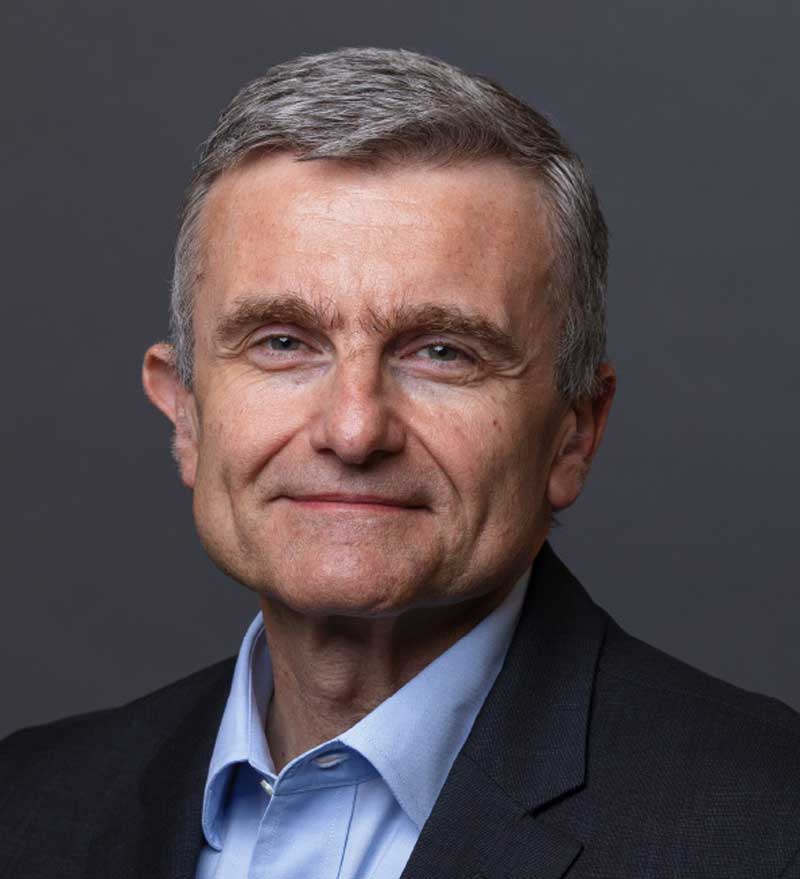
Amir Pasic is the Eugene R. Tempel Dean of the Indiana University Lilly Family School of Philanthropy—the world’s first school dedicated to the study of philanthropy—and a leader in advancement and international education with prior roles at CASE, Johns Hopkins SAIS, the Rockefeller Brothers Fund, and The George Washington University. He began his career with academic appointments at Brown University’s Watson Institute and the Library of Congress and holds a PhD in political science from the University of Pennsylvania, along with degrees from Johns Hopkins University and Yale University.
Laura serves as the Executive Director of both the Rocket Community Fund and the Gilbert Family Foundation, where she focuses on economic development, neighborhood stabilization, and philanthropic initiatives that address complex societal challenges. Among the foundation’s priorities is a substantial commitment to advancing neurofibromatosis (NF) research and accelerative development of new treatments for patients and families affected by the disease.
Her work has led to initiatives such as the Detroit Tax Relief Fund and the Make it Home Program, which have helped tens of thousands of residents stay in their homes and build financial opportunity.
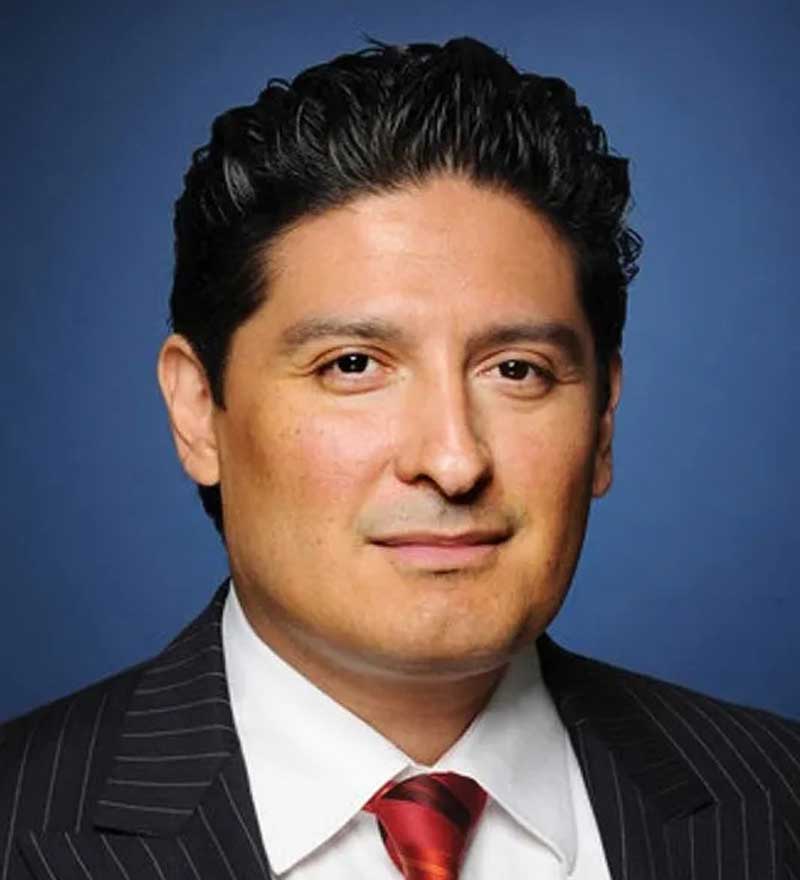
Vincent is a venture capitalist focused on breakthrough dual-use technologies, with a passion for advancing innovations that elevate humanity and strengthen society. He has backed companies such as SpaceX and Colossal Biosciences and serves in advisory roles for organizations including DARPA and the SEC.