IBRI was founded to bridge the gap between possibility and reality for innovations coming out of today’s top research laboratories. We connect scientific discovery to human health by asking and answering key technical and practical questions — supporting every step of the way from understanding disease biology through to designing new medicines and diagnostics.
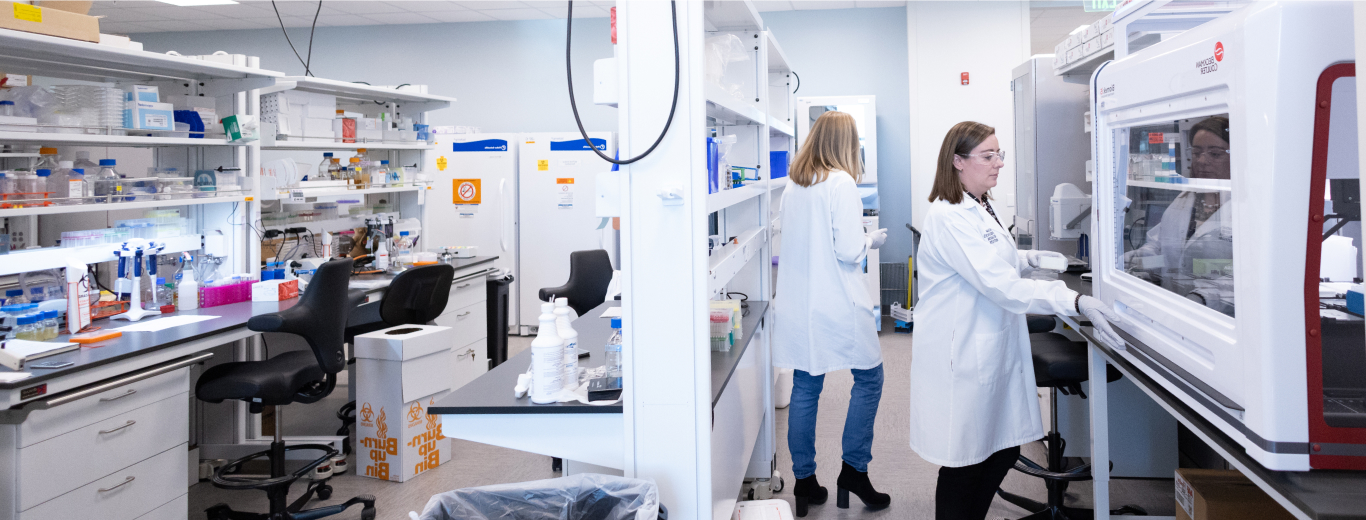
Translating Discoveries
Research with a destination
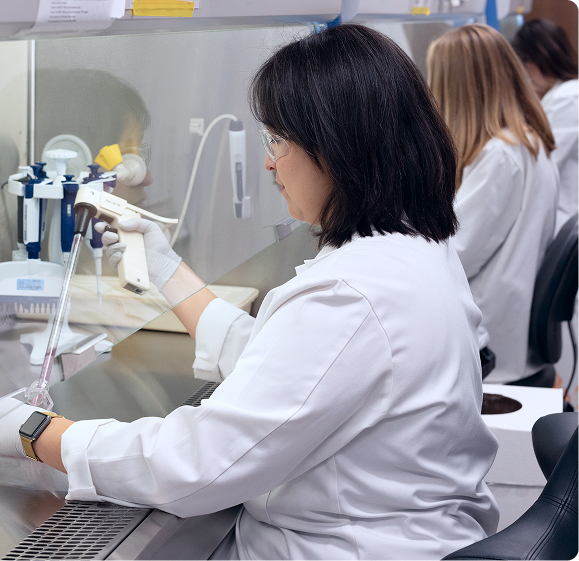
Understanding disease
We perform goal-directed research to understand how diseases develop and progress, focusing on three categories of disease that represent significant burdens on patients, their loved ones, and our communities.
Diabetes, obesity, and other metabolic diseases arise from a complex interplay of the body’s hormone-secreting organs, the immune system, energy storage and utilization, and the brain. IBRI researchers focus in several critical areas, including the immune processes that lead to destruction of insulin-producing islet cells in type 1 diabetes, physiology and pharmacology of hormone pathways that regulate metabolism, and drug discovery to develop novel treatments for metabolism-related disorders.
Learn moreInflammation is a key driver of Alzheimer’s disease, and a primary focus of researchers at IBRI. We collaborate with the Indiana University School of Medicine and Purdue University on TREAT-AD, which searches for therapies to regulate the brain’s microglia, astrocytes, and neurons. These cellular complexes are pivotal to the brain’s immune system and are involved in inflammatory processes observed in Alzheimer’s and other neurodegenerative diseases. Additionally, IBRI researchers are pursuing independent programs targeting other drivers of neurodegeneration, including aberrant brain lipid metabolism.
Learn moreAcademic researchers often find themselves with promising leads in the search for rare disease treatments but lacking the potential to turn them into drugs for patients. IBRI is working with several researchers to develop candidate drugs for pediatric osteosarcoma and rhabdomyosarcoma, and neurofibromatosis type 2, a genetic disorder. We are also collaborating with local researchers to identify potential therapies for patients with previously undiagnosed rare pediatric diseases.
Learn more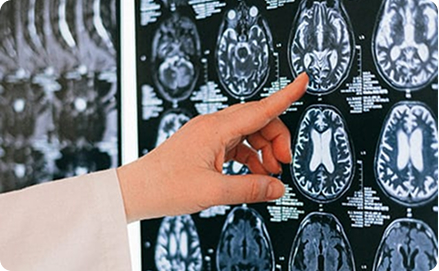
Innovation spotlight:
TREAT-AD
The TREAT-AD Consortium is a National Institute on Aging–funded effort to accelerate discovery of new Alzheimer’s disease treatments. As one of two TREAT-AD centers, the IBRI leads work to identify and validate novel therapeutic targets, develop research tools, and share these resources openly to speed drug development across the field.

Translational technologies
We have unmatched expertise and capabilities for translating scientific discoveries into therapeutic and diagnostic product candidates that are set up for clinical success.
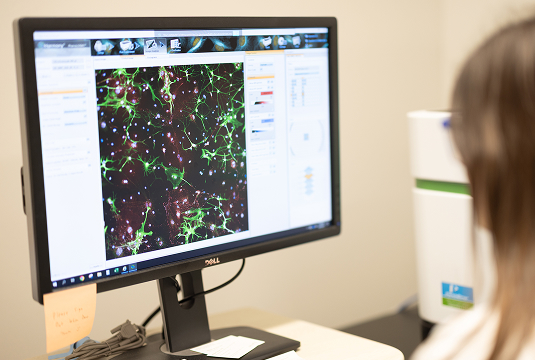
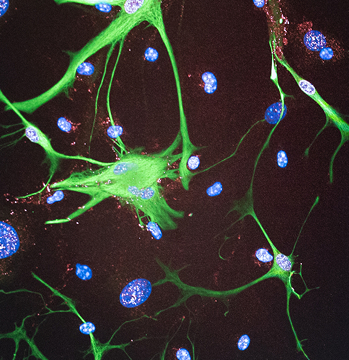
We do this by incorporating state-of-the-art technologies to humanize preclinical science and improve its odds of translatability. For instance, our induced pluripotent stem cell (iPSC) platform allows us to recapitulate disease at a cellular level.
These approaches give us more insights into disease heterogeneity so that we can develop highly selective therapies with a greater likelihood of translational success.

Building molecules
Independently and in collaboration with our partners, we are developing new ways to better diagnose and treat disease by creating access to a diverse spectrum of innovative molecules that are fit for purpose. These include small molecules, oligonucleotides, peptides, and antibodies. This platform is supported by cutting-edge experimental and computational technologies to design, synthesize, and optimize molecules to study disease processes and serve as the foundation for new therapeutics.
Collaborations
The job of translating science into cures requires expertise across a broad range of fields in science, medicine, business, and administration. We extend our impact by collaborating globally with partners across academia, government, and industry — through mechanisms such as research grants, sponsored research, and technology licensing — to achieve our goal of transforming human lives.
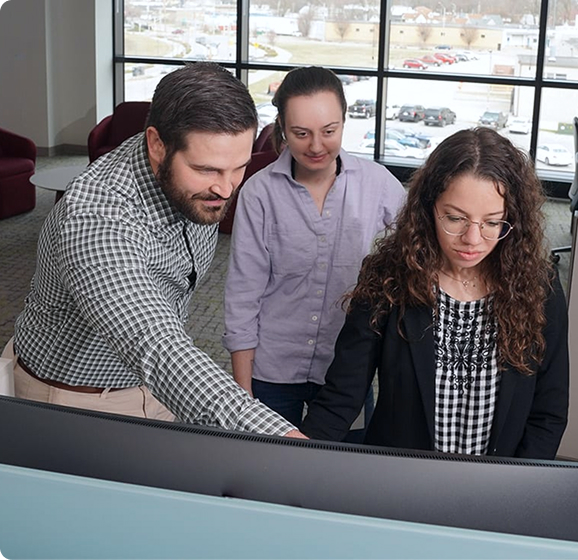
Meet the strategic partnerships team
 Christopher Conway, JD
Chief Philanthropy, Communications, and Strategic Partnerships Officer
Christopher Conway, JD
Chief Philanthropy, Communications, and Strategic Partnerships Officer
 Allison Ambrosia Brown
Senior Associate, Strategic Partnerships
Allison Ambrosia Brown
Senior Associate, Strategic Partnerships